
Red light is everywhere right now — panels on bathroom doors, masks, wraps, beds, belts. Ask how it works and you'll hear the same answer: "Red light boosts ATP."
That isn't exactly wrong. It's just nowhere near the whole story.
The research field is called photobiomodulation (PBM), and the closer researchers look, the less it resembles a cellular phone charger and the more it looks like a conversation. Light appears to interact with mitochondria, redox signaling, nitric oxide, calcium, inflammation, circulation, and gene expression — the systems your cells use to decide what to do next.
What is photobiomodulation?
PBM uses red and near-infrared light at doses meant to change biological activity, not heat or destroy tissue. And it isn't one standardized treatment.
Saying "I use red light" is a little like saying "I take medicine." Okay… which one, how much, and for what?
The variables that change the results
Wavelength (630 nm red behaves differently from 850 nm near-infrared), irradiance, total dose, exposure time, treatment frequency, distance from the device, and the tissue being targeted. Skin, muscle, joint, and nerve all absorb and respond differently. This is a big part of why studies don't always agree.
Light as a signal, not just an ATP charger
The classic explanation is that light is absorbed by an enzyme in the mitochondria called cytochrome c oxidase (Complex IV), setting off a cascade: ATP, nitric oxide, reactive oxygen species, calcium, and eventually changes in gene expression.
But biology refuses to be that simple. The mitochondria may be part of the conversation, but "red light hits Complex IV and makes more ATP" is not the entire conversation.
The Complex IV debate
A foundational review by Freitas and Hamblin laid out the classic cascade from cytochrome c oxidase through ATP, nitric oxide, ROS, calcium, and transcription factors. A later review argued that direct effects of light on cytochrome c oxidase haven't been demonstrated as cleanly as popular explanations suggest, and that nitric oxide and other mechanisms may be doing more of the work.
Freitas & Hamblin, mechanisms review · Cytochrome c oxidase & nitric oxide review
Why reactive oxygen species aren't always bad
Reactive oxygen species — ROS — have gotten a pretty terrible reputation. (I remember them as Rats of Unusual Size, thanks to Princess Bride — but back on track.) In excess, they cause damage. But small, brief bursts of ROS are also how cells talk: signals to adapt, repair, and build defenses.
Exercise works the same way. A controlled burst of stress is the signal that makes you stronger. The goal was never zero oxidation. The goal is redox balance, and PBM may work partly through this kind of brief, modest signal.
If you want to go deeper into cell signaling and redox, read my ASEA blog and learn about redox signaling molecules.
Nitric oxide and circulation
Nitric oxide helps blood vessels relax and widen, and it's also a cellular messenger. So what happens to blood flow in actual people?
830 nm near-infrared · 20 volunteers
+54% blood flow
Microcirculation rose about 27% during treatment and 54% in the 20 minutes after. The 633 nm red light didn't produce the same increase, and people varied.
Not every wavelength behaved the same way. Not every person responded the same way. Welcome to biology.
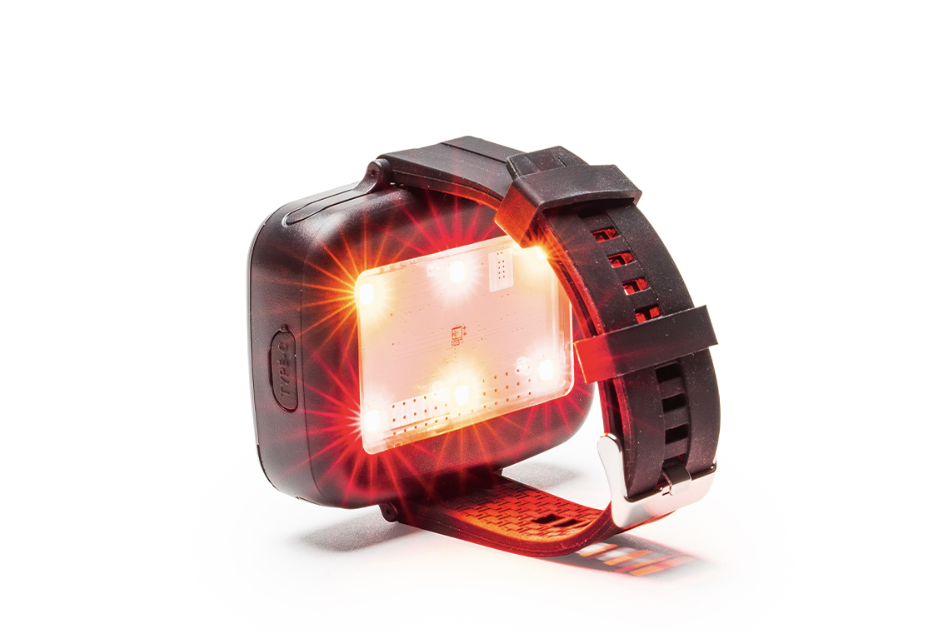
See the study
Randomized trial in 20 healthy volunteers comparing 830 nm and 633 nm light. The study was specifically designed to ask why some people respond and others don't.
Microcirculatory response to photobiomodulation (Lasers Surg Med)
Can red light help joint pain?
This is where the human research gets substantial.
Knee osteoarthritis · 10 days of treatment
50%+ lower pain
Both the red and infrared groups saw pain drop by more than half. The placebo group didn't significantly improve — and asked for retreatment in about two weeks, versus four to six months for the light groups.
A larger meta-analysis found something even more interesting: the benefit over placebo was biggest two to four weeks after treatment ended.
If the light were simply numbing the joint while it was on, why would the difference grow after it stopped? That doesn't prove the joint regenerated. But it's consistent with something happening beyond momentary pain relief.
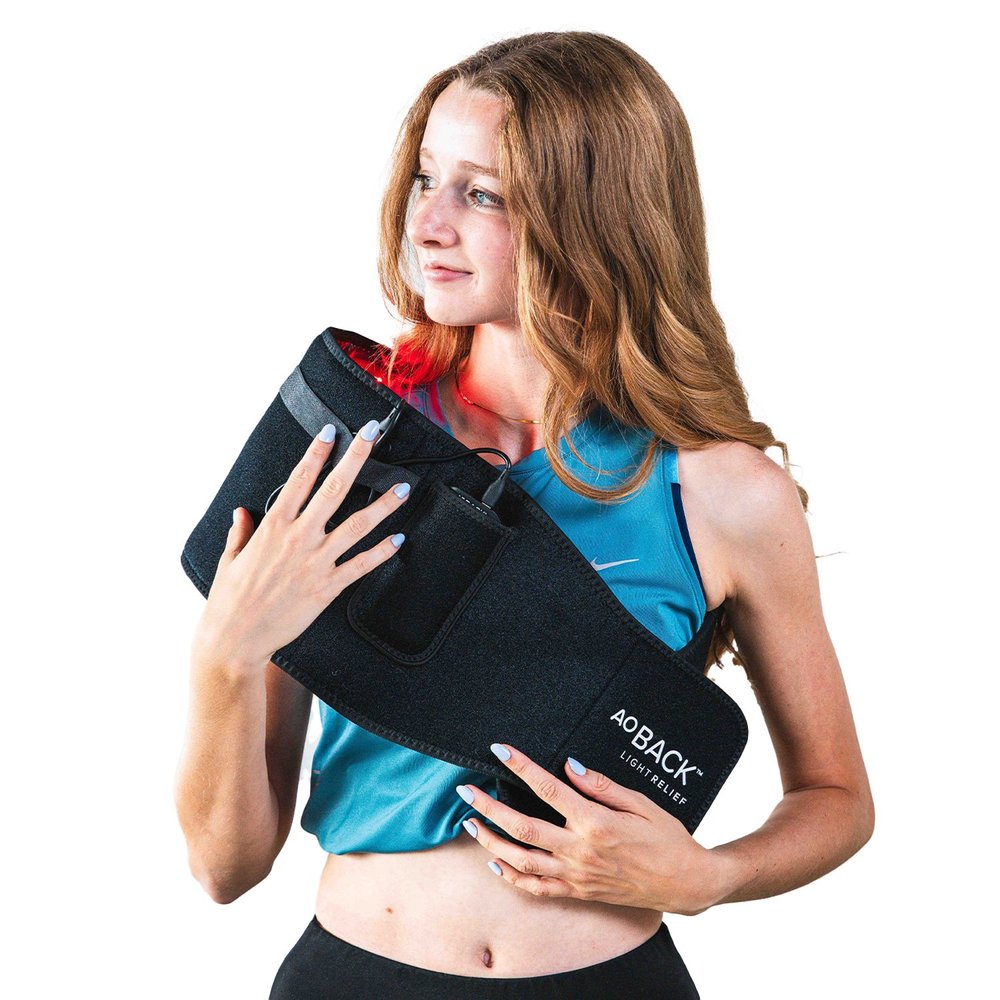
The original knee study
50 older adults with osteoarthritis in both knees: 15 red, 18 infrared, 17 placebo. Light to both sides of the knee, 15 minutes twice daily, for 10 days. Functional disability also improved in the active groups.
- Time before requesting retreatment — red: 4.2 months; infrared: 6.1 months; placebo: about 2 weeks
The meta-analyses
2019: Across randomized placebo-controlled trials, PBM reduced pain by about 14 points (on a 100-point scale) at the end of treatment and 16 points at follow-up. In trials using recommended doses, the benefit peaked at about 32 points, two to four weeks after treatment ended.
2024: 10 trials, 542 people. PBM significantly reduced resting pain versus placebo, but the certainty of evidence was rated very low because the studies varied so much.
The signal is interesting. The evidence base still needs better standardization.
Stausholm et al., BMJ Open, 2019 · Oliveira et al., Phys Ther, 2024
What about a fresh injury?
Grade II ankle sprains · 627 nm LED
85.8% vs. 55.7%
Pain reduction with LED light versus placebo, on top of standard injury care. Swelling also went down more by days 3 and 6.
See the study
40 people with acute grade II ankle sprains. Everyone received standard care (protection, rest, ice, compression, elevation); half also received 627 nm LED at 10 J/cm² for 6 days. McGill pain scores followed the same pattern: 83.3% vs. 52.5%.
Can red light affect nerves?
Nerve cells are energy-hungry, which makes them a logical place to look. Animal research has shown changes in inflammation, myelin, and nerve function after PBM — promising groundwork, but not proof of nerve regeneration in humans.
Pain relief is interesting. Changes in vibration perception, protective sensation, and nerve conduction are even more interesting. And that's what human studies are starting to measure.
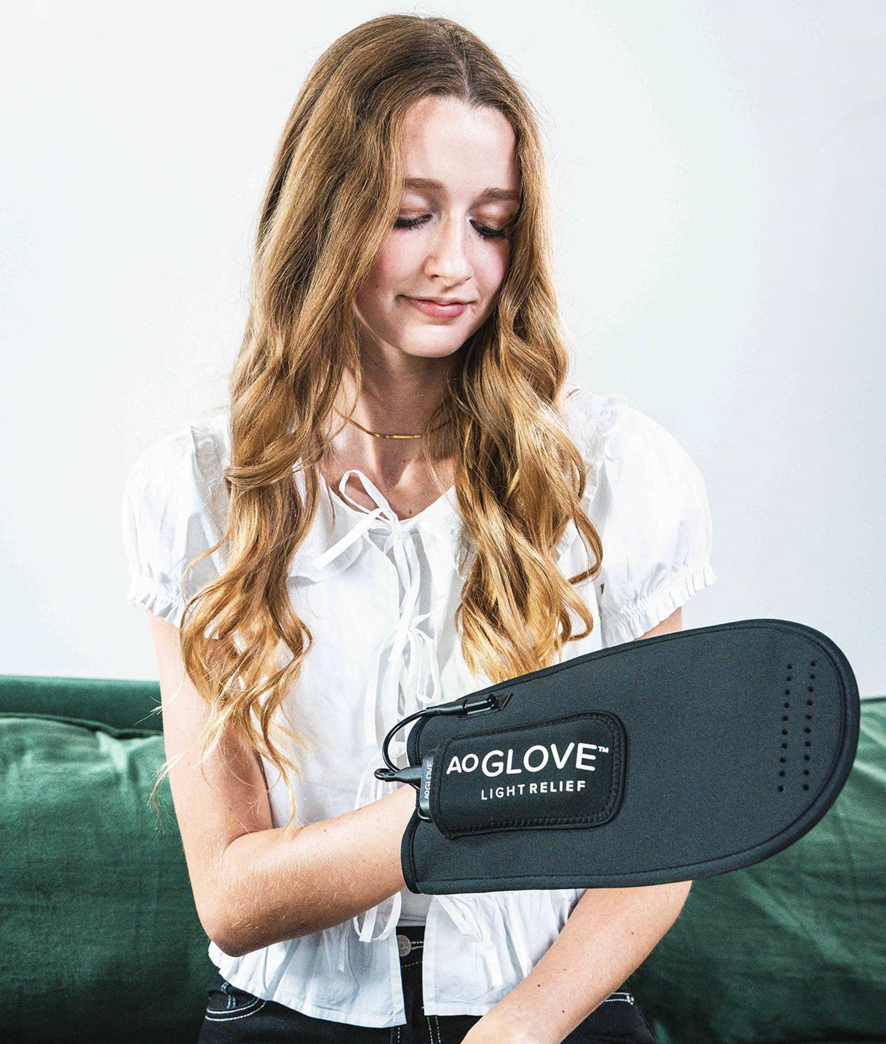
Chemotherapy-induced neuropathy · 70 people
52.6% less severe
Neuropathy severity at 8 weeks in the light group. The placebo group showed essentially no change.
Diabetic neuropathy — 200 people
100 PBM, 100 placebo. 632.8 nm light on the tops and soles of the feet, 9 minutes daily for 10 days, reassessed 4 weeks later. Researchers measured significant changes in neuropathy screening scores, vibration perception, pain, quality of life, and two nerve-related biomarkers, along with improved protective sensation.
Nerve growth factor did not significantly change — so this study doesn't support saying red light raises nerve growth factor in humans.
Chemotherapy neuropathy & the broader research
Double-blind trial: 30-minute sessions, 3 times a week for 6 weeks. Severity fell 32.4% at 4 weeks, 52.6% at 8 weeks, and 38.8% at 16 weeks.
A review of 8 diabetic neuropathy studies reported improvements in pain, nerve-conduction velocity, and pressure distribution across the foot. An earlier review of mostly animal studies explored nerve regeneration.
Argenta et al., Gynecol Oncol, 2017 · Korada et al., review · Rosso et al., animal nerve review
None of that lets us say "red light regenerates damaged nerves." But when studies start measuring sensation and nerve conduction, not only pain, the conversation gets much more interesting.
Red light and blood sugar
In a small trial of adults with type 2 diabetes, researchers gave a standardized 338-calorie meal, then applied 830 nm light to large muscle groups. The moderate dose lowered the glucose response for up to 12 hours.
The larger dose was not better. Hold onto that.
See the meal study
10 adults with type 2 diabetes, randomized crossover, double-blind. Doses of placebo, 100 J, and 240 J, each tested with and without usual glucose medication. Without medication, 100 J produced the best response and the lowest overall glucose curve.
That viral "27.7% lower blood sugar" headline
30 healthy adults got 15 minutes of 670 nm light on the upper back, finishing about 30 minutes before a 75 g glucose drink. The rise in glucose above baseline, added up over two hours, was 27.7% smaller. The peak spike was 7.5% lower.
That's a meaningful finding — just not the same as "blood sugar dropped 27.7%." And it was a glucose drink in healthy people, not a normal meal.
Can red light affect metabolism?
One 12-minute whole-body session
+9.3% resting energy use
In women with obesity. Their fuel mix (fat vs. carbohydrate) didn't change.
Their bodies appeared to be using more energy at rest, but they did not suddenly become fat-burning furnaces. This was one session measuring a short-term change — not evidence of weight loss.
See the study
32 women (16 with obesity, 16 sedentary normal-weight), randomized crossover. Red (633–660 nm) plus near-infrared (850–940 nm). In the women with obesity, resting energy expenditure went from 1,486 to 1,624 kcal/day. Respiratory exchange ratio, a hint at which fuel is being burned, stayed the same.
What about brown fat?
Brown fat is the metabolic rebel of the fat world. Its mitochondria contain a protein called UCP1 that deliberately uncouples energy production from ATP and releases it as heat instead. (So much for "it's all about ATP.")
In obese mice, red light over the upper back — where brown fat lives — shifted markers of heat production and fat storage. In one human study, women who added low-level light to exercise showed bigger changes in some browning-related markers than exercise alone.
Could brown fat help explain the rise in resting energy use above? Maybe. Nobody has measured it directly in people yet.
Silva et al., mice, 2023 · Campos et al., women + exercise, 2018
Skin and collagen
In a randomized trial of 136 volunteers, a repeated course of red or red/near-infrared light improved skin complexion and roughness and increased measured collagen density. (Wunsch & Matuschka, 2014)
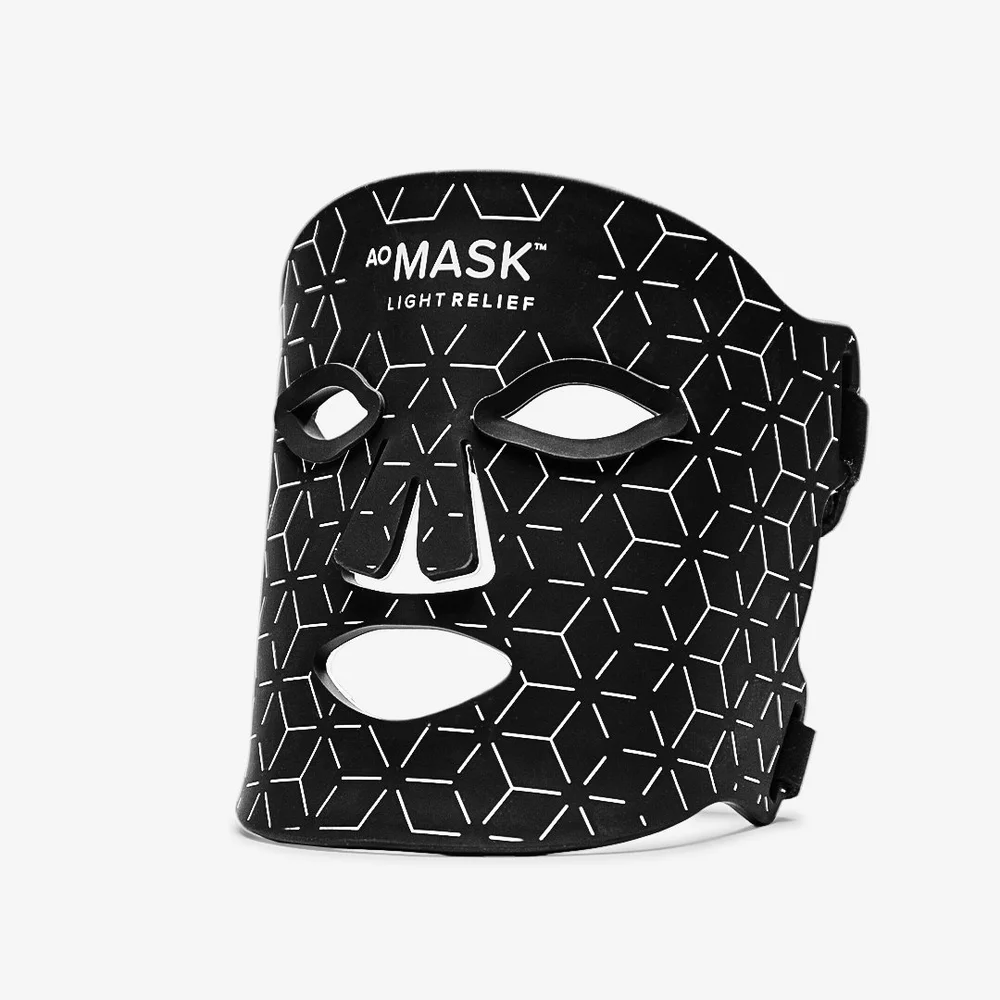
Biology loves consistency. Marketing loves miracles. They are not always the same thing.
More is not better
Across this research, PBM follows what's called a biphasic dose response: too little does little, the right dose sends a useful signal, and too much can blunt the response. You've already seen it twice — 100 J beat 240 J for blood sugar, and recommended doses performed best for knees.
Thirty minutes of exercise can create a useful adaptive signal. Nine hours of lunges does not create nine times the benefit.
Your mitochondria appreciate boundaries too.
Light as information
Nutrition is information. Movement is information. Temperature is information. Touch is information. Hormones are information.
And light may be information too.
Maybe the better question isn't, "How much ATP does red light make?" Maybe it's, "What signal did we just give the cell — and what does the cell do with it?"
Where this leaves us
Red light isn't magic, and it isn't a cure. But the research is genuinely interesting, and the practical takeaway is refreshingly simple: the right wavelength, at a sensible dose, used consistently, may give your cells a useful signal for comfort, circulation, and recovery. More is not better — consistency is.
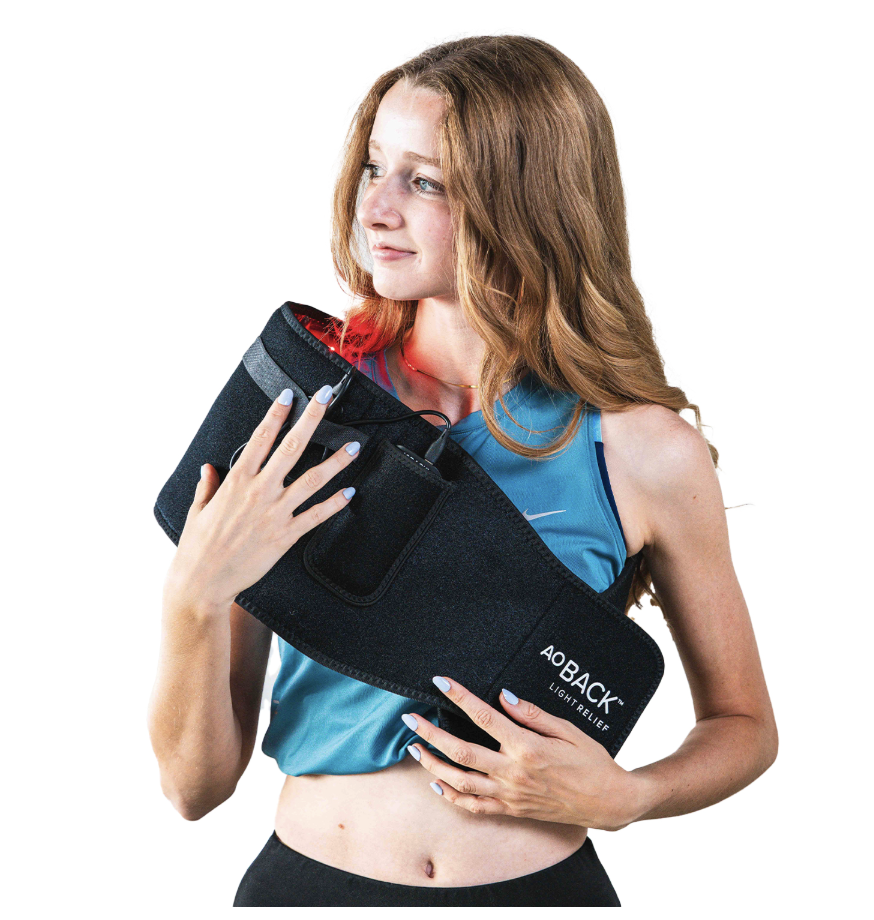
That's exactly why I offer it. You can read how we use red light therapy at Whole Body and Sole — as an add-on to your session in studio, or with the same AO Light devices by Solex to bring home for your hands, back, skin, or whole-body circulation.
Written by Helen Parde — Integrative Health Facilitator at Whole Body and Sole, Herriman & South Jordan, Utah.