
Green smoothies have become a symbol of health — leafy greens, beets, almond butter, turmeric. But what if that daily habit is silently disrupting your body at the cellular level?

They're marketed as superfood powerhouses meant to energize, detox, and nourish. The culprit hiding inside them? Oxalates.
Let's dig into what oxalates are, how they can interfere with your energy, digestion, and even your brain — and how to reduce their impact without sacrificing your nutrient intake.
What are oxalates?
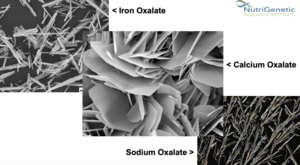
Oxalates (or oxalic acid) are naturally occurring compounds found in many plant foods. In plants, they serve a defense role, protecting against pests. In humans, oxalates can bind with minerals — especially calcium — to form tiny, sharp crystals called calcium oxalate.
These crystals aren't easily excreted. Over time, they can accumulate in tissues including the kidneys, joints, thyroid, brain, and even blood vessels. Emerging research suggests oxalate crystals may:
- Rupture cell membranes
- Damage lysosomes (part of your cellular clean-up crew)
- Deplete critical antioxidants like glutathione and NADPH
- Impair mitochondrial function (your cells' energy factories)
In short, oxalates aren't just hanging out in your spinach — they may be quietly contributing to chronic pain, fatigue, inflammation, brain fog, and overall decline.
When wellness trends backfire
The modern "superfood smoothie" craze often features oxalate-rich ingredients: spinach, almond butter, beets, chard, turmeric, cacao, and raspberries. When these foods are blended or juiced, their oxalate content becomes even more bioavailable — absorbed more efficiently into your bloodstream. That increases your oxalate load and the likelihood of it accumulating in tissues.
Sally K. Norton, MPH — oxalate researcher and author of Toxic Superfoods — notes that these micro- and nano-sized crystals can "mechanically shred surrounding tissues," acting like microscopic razor blades. The irony? Oxalates hide in foods marketed as ultra-clean and anti-inflammatory, so we often eat them in excess, unaware of the fallout.
Why isn't my doctor talking about oxalates?
Despite growing scientific attention, oxalate overload remains underrecognized in conventional medicine. Most physicians receive minimal nutrition training, and oxalate-related issues don't usually show up in standard bloodwork. Yet studies in nephrology, rheumatology, and molecular biology have linked oxalates to kidney stones, fibromyalgia, thyroid dysfunction, interstitial cystitis, vulvodynia, mitochondrial dysfunction, and neuroinflammation.
"Oxalate overload is an invisible epidemic hiding in plain sight."— Sally K. Norton, MPH
Could oxalates be causing your mysterious symptoms?
If you've been told "everything looks normal" but still feel off, oxalates might be a missing puzzle piece. Common symptoms linked to oxalate buildup include:
- Joint and muscle pain (often mistaken for arthritis or fibromyalgia)
- Chronic fatigue, poor sleep, or post-exertional crashes
- Brain fog, trouble focusing, or mood swings
- Digestive distress after certain meals
- Recurring yeast or fungal infections
- Migraines or eye pain
- Urinary urgency, pelvic pain, or cloudy urine
- Hormonal imbalances, PCOS, or menstrual irregularities
- Slow healing, and poor response to both conventional and alternative therapies
Oxalate toxicity doesn't look the same in everyone. Some people experience widespread symptoms; others struggle with just one or two persistent issues.
Oxalates and the brain: a deeper concern
Emerging research points to a connection between oxalates and neuroinflammation, which may affect mood, memory, and overall brain function. Some studies have explored oxalate overload in the context of neurodevelopmental conditions, in part through mitochondrial stress, glutamate excitotoxicity (brain cells becoming overstimulated and damaged), and depletion of antioxidants like glutathione.
A 2014 study in PLOS ONE found that oxidative-stress-induced mitochondrial dysfunction was present in a subset of children with autism spectrum disorder, making them more vulnerable to environmental stressors — potentially including dietary oxalates. A systematic review in Molecular Psychiatry similarly noted mitochondrial dysfunction in a meaningful subset of children with ASD, far higher than in the general population.
How do I know if oxalates are an issue for me?
There's no simple lab test that definitively confirms oxalate toxicity. Urine oxalate tests exist but are unreliable — some people with high tissue loads show low urinary oxalates because their body can't excrete them well, while others show high levels when dumping from tissue stores or after an oxalate-rich meal.
A more practical approach
The most effective non-invasive method is to try a low-oxalate diet and monitor your symptoms. Many people report noticeable improvement in energy, pain, brain function, and digestion. Some feel worse at first — a temporary "worsening" often called oxalate dumping, when stored oxalates mobilize and exit the body. Uncomfortable, but often a sign of healing in progress.
How to safely reduce oxalates
This isn't about fearing vegetables. It's about intentional, informed adjustments that support your body's ability to clear stored oxalates without triggering symptoms.
1. Reduce high-oxalate foods gradually
Avoid going cold turkey — a sudden drop can trigger dumping. Slowly reduce foods like spinach, beets, almonds, Swiss chard, and sweet potatoes over several weeks.
2. Pair calcium with meals
Calcium acts like a shield in the gut, binding dietary oxalates before they're absorbed. Include calcium-rich foods with meals — canned salmon or sardines (with bones), tahini or sesame seeds, broccoli, bok choy, or arugula. For therapeutic support, calcium citrate is often recommended for its binding ability and gentle effect on digestion.
3. Can gut health help?
Yes — and no. The standout microbe for oxalates is Oxalobacter formigenes, which degrades oxalate in the colon. Unfortunately, it isn't found in food or supplements, is easily wiped out by antibiotics, and can't currently be recolonized through diet or over-the-counter probiotics. Other microbes — certain strains of Lactobacillus, Bifidobacterium, and Bacillus subtilis — may offer modest support. Focus on a low-oxalate, fiber-rich diet, add prebiotics (cooked-and-cooled potatoes, green banana flour, apple skins), rotate broad-spectrum probiotics, and avoid unnecessary antibiotics.
4. Nourish your detox pathways
Your body needs key nutrients to break down and excrete oxalates:
- Magnesium — binds oxalates in the gut and supports smooth muscle function
- Vitamin B6 — critical for converting glyoxylate to non-oxalate forms
- Glutathione — helps neutralize the oxidative stress oxalate accumulation causes
- Taurine, molybdenum, and zinc — may further support enzymatic and cellular detox
For a fuller walk-through of how the body clears what it takes in, see Understanding Your Detox Pathways.
5. Stay hydrated
Water dilutes urinary oxalates and helps prevent crystallization. Aim for about half your body weight in ounces of clean, mineral-rich water per day — more during detox or heat exposure.
6. Cook smart: boil and discard
Boiling high-oxalate vegetables and discarding the cooking water can cut their oxalate content by 50–87%. It works especially well with spinach, beet greens, Swiss chard, and rhubarb. Steaming and sautéing don't reduce oxalates as effectively, so for those sensitive or currently detoxing, boiling is best.
You don't have to give up greens
Oxalates aren't evil — they just need context. With a robust gut, balanced minerals, and good detox function, you may tolerate them well in moderation. But if you're dealing with chronic symptoms, unexplained pain, or hormone imbalances, oxalate overload could be a hidden driver. Some swaps:
- Rotate your greens: romaine, dandelion, arugula, or butter lettuce
- Soak and sprout nuts and seeds to lower oxalates
- Bake with coconut, flax, or sunflower seed flour instead of almond flour
- Use zucchini, cauliflower, or turnips as low-oxalate alternatives
Are you genetically more susceptible?
Some people are genetically predisposed to struggle with oxalate clearance. Key genes include GRHPR (helps detox glyoxylate), AGXT (mutations can cause primary hyperoxaluria), HOGA1 (hydroxyproline metabolism), and SPP1 (calcium regulation and crystal formation).
If you've had kidney stones, chronic gut issues, or unexplained inflammation, a Functional Genetic Analysis may show where your gene potential is influencing your path to vibrant health. Book a discovery call to learn more.
Final thoughts: listen to your body
Oxalates may wear a "superfood" disguise, but for many people they're an unrecognized source of inflammation, fatigue, and pain. If you're doing all the "right" things — clean eating, green smoothies, organic foods — and still don't feel like yourself, it's worth a closer look.
At Whole Body and Sole, we specialize in identifying hidden barriers to healing, including oxalate overload.
Resources & References
- Rose, S., Frye, R.E., et al. (2014). Oxidative stress induces mitochondrial dysfunction in a subset of autism lymphoblastoid cell lines — PLOS ONE, 9(1), e85436.
- Rossignol, D.A. & Frye, R.E. (2012). Mitochondrial dysfunction in autism spectrum disorders: a systematic review and meta-analysis — Molecular Psychiatry, 17, 290–314.
- Mitchell, T., et al. (2019). Dietary oxalate and kidney stone formation — American Journal of Physiology – Renal Physiology.
- Hatch, M. & Freel, R.W. (2005). Intestinal transport of an obdurate anion: oxalate — Urological Research, 33(1), 1–16.
- Norton, S.K. (2023). Toxic Superfoods: How Oxalate Overload Is Making You Sick — and How to Get Better. Rodale Books. More at sallyknorton.com.
Written by Helen Parde, LMT — Integrative Health Facilitator and Functional Genomics practitioner at Whole Body and Sole, Herriman & South Jordan, Utah.